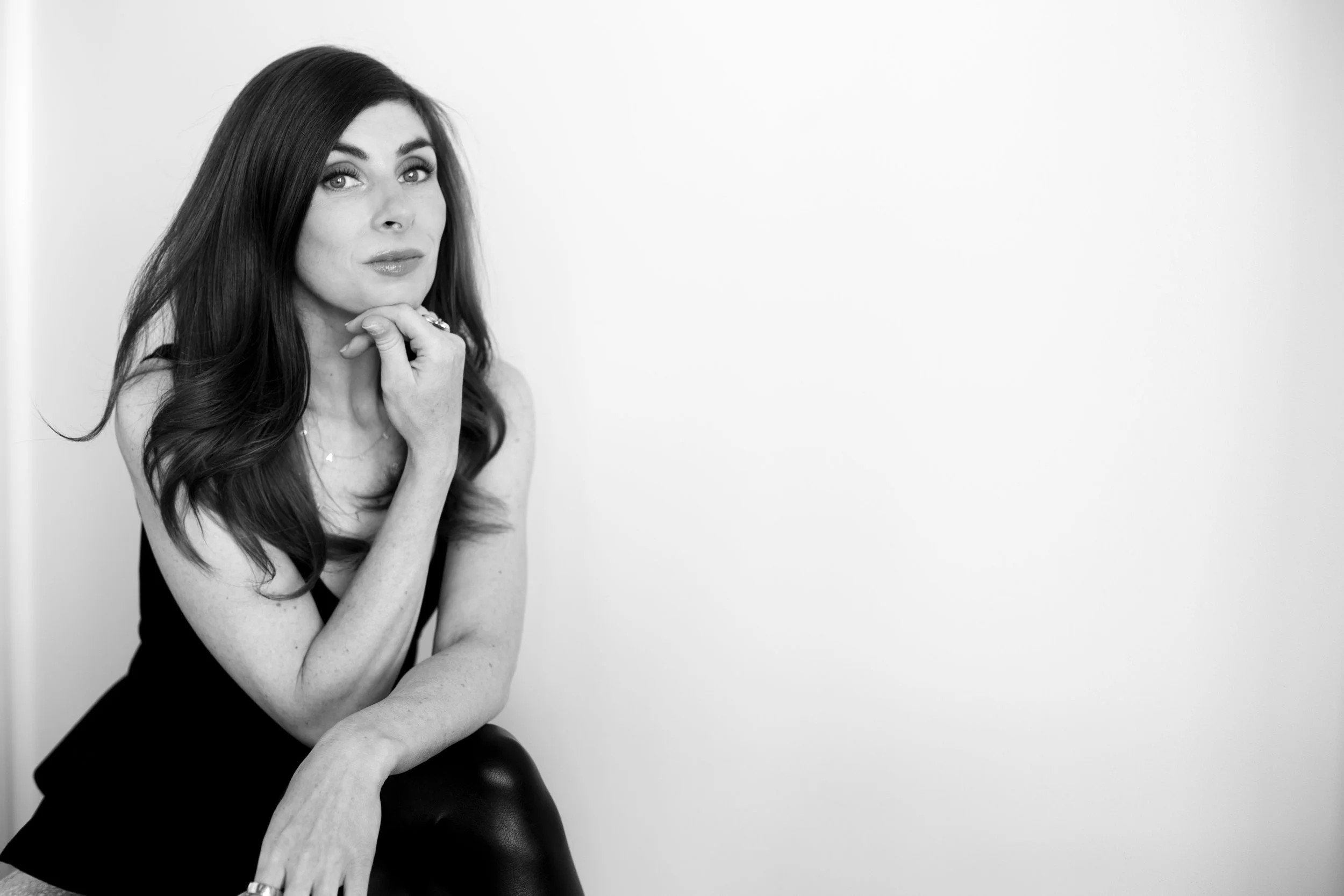
Our children inherit
what we heal.
Wherever we go, there we are…
What we heal in ourselves as mothers ripples down to our children and heals the generational patterns that we inherited.
This is why the greatest gift we can give our children is our own healing. And the healing of whatever it is we’re battling—anxiety, reactivity, OCD, depression, overwhelm, irritability, anger, fear loops and what-if spirals—always begins in the nervous system.
So, sweet Soul, what are you here to heal?
From the earliest days of motherhood to menopause and everything in between, mama amour is a safe space for mothers who are ready to heal their nervous systems, break generational patterns that no longer serve them, and build a felt sense of safety within themselves and their children.
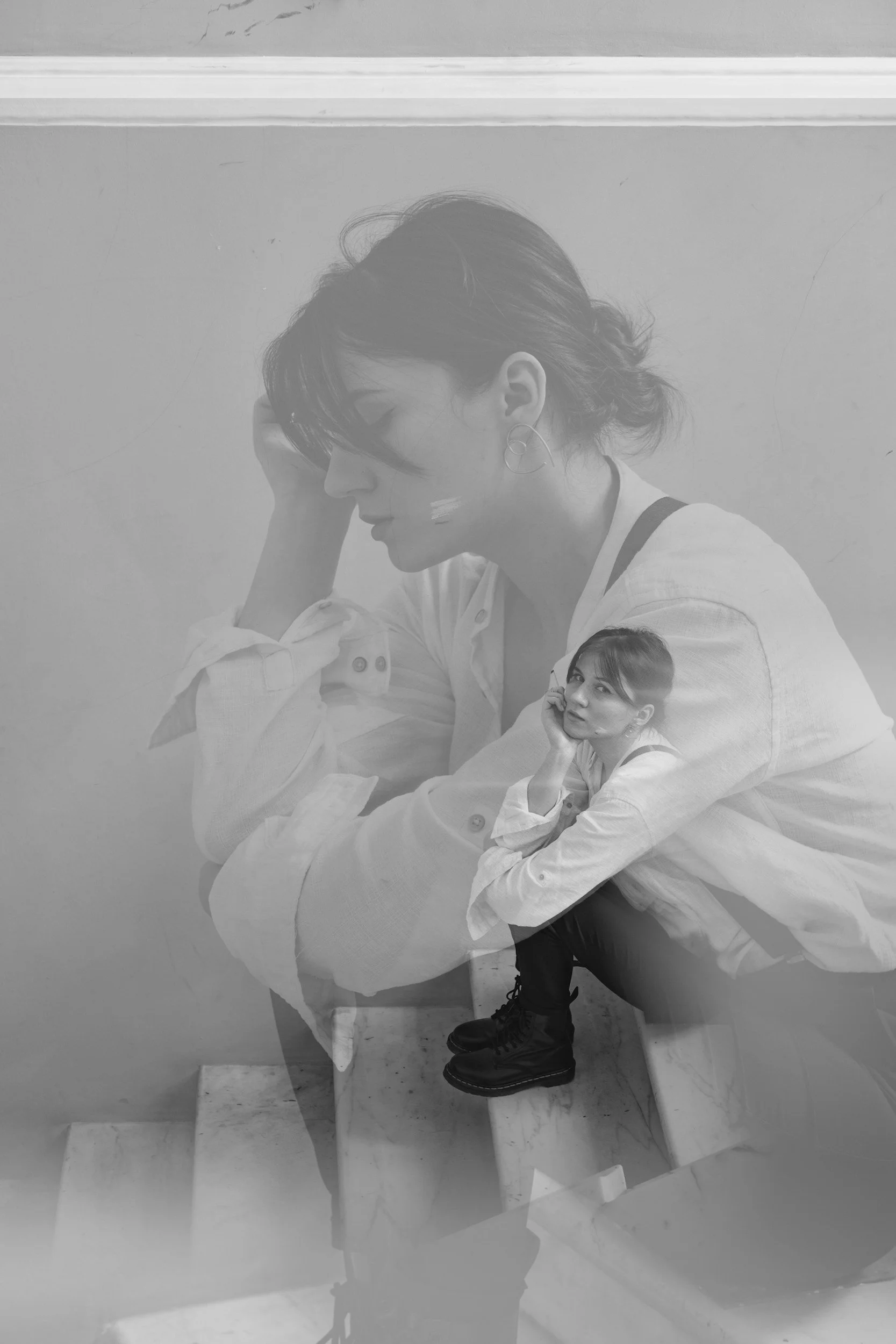
If this sounds like you…
You’re a mother with worries you can’t turn off, moods you can’t predict, disconnection from yourself + your needs, a short fuse with your child(ren) and/or partner, and a paralyzing level of overwhelm.
Mothering under the too-tight pressures of dysregulation feels like you’re surviving life one day at a time, but certainly not thriving in it.
When you’re spending all of your time meeting everyone else’s needs, it’s difficult to recognize your own let alone meet them.
You might be mourning for the old you…
The you that was carefree, easygoing, spunky, and spontaneous instead of on-edge, irritable, and angry.
The you who was calm, confident, and decisive instead of perpetually paralyzed by fearful indecision.
The peaceful pre-motherhood you who wasn’t afraid of and/or annoyed by… well, everything.
Or maybe you’re mourning for the you that had passions, aspirations, dreams, and hobbies of her own.
Regardless of which parts of yourself you’re mourning for, there’s a looming sense that you’ve lost the thread of who you are somewhere in the midst of motherhood, and you’re not quite sure how to find your way back to her again.
You’re not broken. You’re not failing. And you’re certainly not a bad mom. You’re a mother with a nervous system stuck in overdrive and running its inherited subconscious patterns on autopilot. To reclaim your power to choose the way you show up in life, parenting, and partnering, your body needs to feel safe again.
The most important safe haven you’ll ever build is the one you build inside yourself, and I’m here to show you how to build it.
Where are you at right now?
Every mother’s path looks a little different. Here’s where to start…
-
The intrusive thoughts. The checking. The fear you haven’t told anyone the full truth of. If this is where you are, you’re in the right place — and there is a way through that goes all the way to the root.
-
Your nervous system has been through more than you may realize, and your child’s nervous system is learning from yours in real time. The Regulated Mother gives you the tools to heal and re-regulate your own nervous system during the postpartum period so that what you transmit changes.
→ Learn about The Regulated Mother Course
-
The sudden anxiety, the rage, the overwhelm that feels completely foreign—this is a neurobiological, nervous-system-based reality in perimenopause, not a mid-life personality shift. And the little ones you’re raising are watching how you move through it.
The Regulated Woman Course offers a practical, targeted approach to nervous system regulation with tools built specifically for this season.
→ Learn about The Regulated Woman Course
-
You can’t force your child to calm down. But you can become the regulated beacon that helps them find their way back to it.
The Calm Mama Co-Regulation Method™️ teaches you how to regulate your own nervous system first so that your child learns what regulation feels like through you and learns how to build it for themselves. This is how generational patterns change and secure attachment bonds are formed.
The regulated mother doesn't just stay calm in the storm. She turns toward her child's experience [attunement], holds it without collapsing into it [containment], and creates the conditions for secure attachment that allow both of them to find their way back together [co-regulation].
→ Learn about The Calm Mama Co-Regulation Method™️ Workshop Series
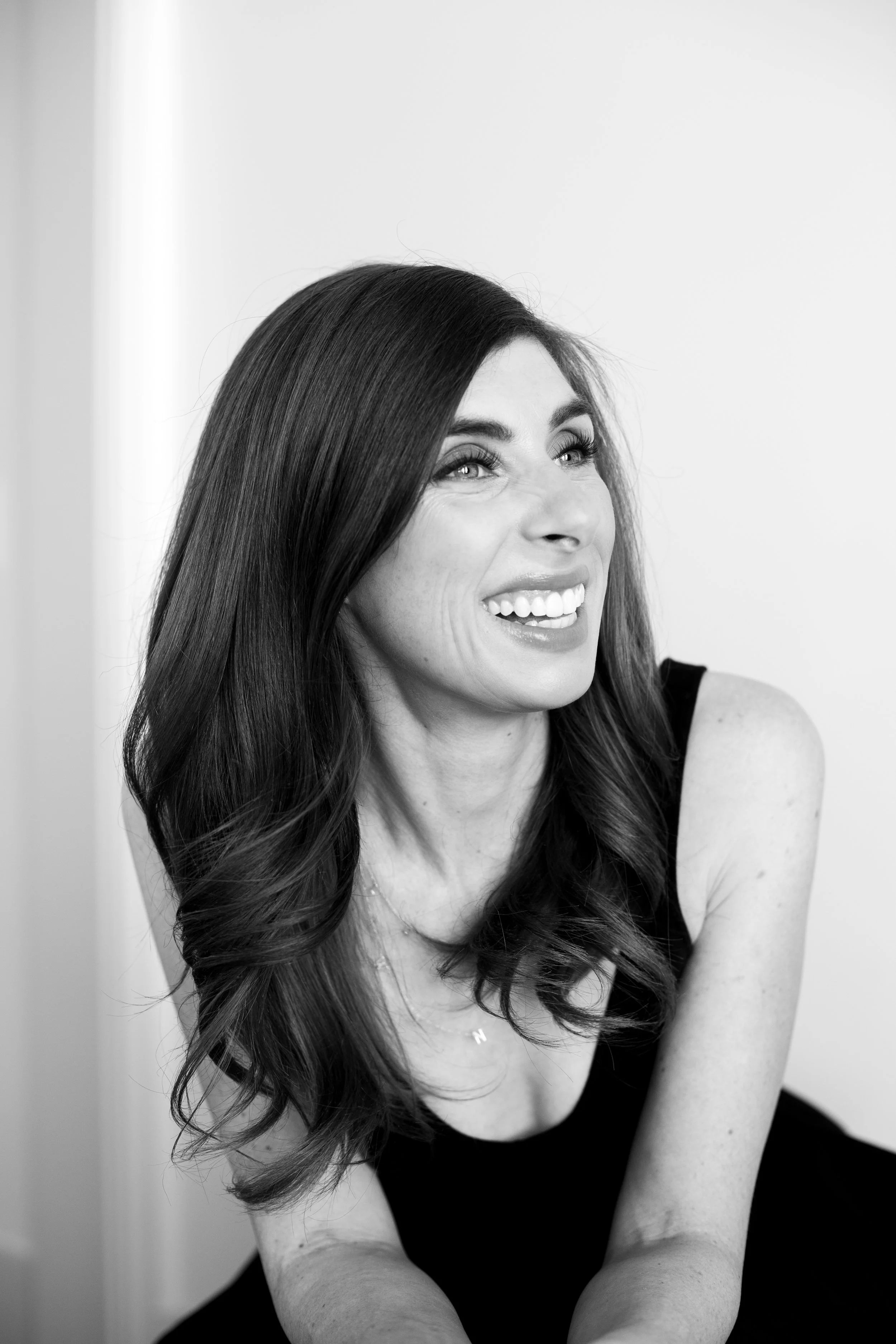
Hi, I’m Ashley.
I know how heavy the burden is that you’re carrying, because I’ve carried it too.
I experienced unrelenting postpartum anxiety and OCD after the birth of both of my children and experienced an unexpected resurgence yet again in perimenopause. I know how convincing the fear feels, how relentless the mental loops become, and how isolating it is to carry the terror quietly. I also know how defeating it feels when you’re just barely able to function as a mother let alone thrive as one.
I tried CBT. I tried mindfulness. I tried medication. I tried meditation. I tried EFT. I tried herbs and supplements. I tried special elimination diets. I tried ERP… twice. It all helped… for a while. But the fear kept finding new forms, new targets, new ways in. Because the work addressed the surface-level contents of the intrusive thoughts rather than the nervous system dysregulation that was driving them.
Trying to address the specific fears one at a time felt like playing a game of whack-a-mole I’d never win… there was always a new fear, always a new way for worry to take hold.
What began to change everything was learning to work at the level of the body. Building a daily practice that actually trained my nervous system toward safety, instead of trying to manage the fears that stemmed from dysregulation. And then pairing that with the deeper work of understanding the core patterns, programming, and unprocessed memories (wounds) that had trained my subconscious to be on high-alert even when life was objectively calm.
As mothers who want to give our all to our kids, it can feel deceptively selfish to take time to heal ourselves. And yet somewhere in the middle of my own healing, I realized that what I was doing wasn’t just for me… it was for my girls, too. Because our children inherit what we heal (as well as what we don’t). Our nervous systems speak more loudly to our children than our words do, and our children first learn to regulate through our own regulation. Thus, our own healing becomes an energetic transmission that ripples through our little ones.
The Regulated Mother course and The Regulated Woman course are the entry points to healing that I built from that understanding. Not as ways to merely cope with symptoms, but as methods designed to build a foundation of safety within using practical, evidence-based strategies to regulate the nervous system in measurable ways.
Why? Because the state of your nervous system shapes your perception. And from within the felt safety of a regulated nervous system, the worries that once haunted you have less power, the mood spirals have less grip, and you have the space to choose responses that break through the patterns you inherited and pave a new way forward for your children. And beyond the scope of motherhood, these courses are designed to build a nervous system that knows how to be calm, even when life isn’t. Because a felt sense of safety isn’t circumstantial, it’s an internally generated state that emerges from a regulated nervous system.
The Postpartum Anxiety + OCD Recovery Program is a high-touch, 1:1 container that takes this healing work to the next level by revealing and resolving the root cause (core subconscious wound) beneath all the anxious thoughts and patterns using the power of Rapid Transformational Therapy® (RTT®).
I hold an Ed.S. in psychology, certifications in Rapid Transformational Therapy® and hypnotherapy, and I’ve hosted a psychology-focused podcast for four years. But the most important thing I bring to this work is that I’ve sat exactly where you are, and I know the way out.

Ways to Work Together
THE PROGRAMS
-
Built on The 4R Method™: Regulate, Reveal, Rewire, Return to Resilience
A 12-week, high-touch 1:1 program for new mothers navigating postpartum OCD. Combines psychoeducational coaching, Rapid Transformational Therapy, hypnotherapy, and nervous system regulation to break the OCD cycle from the inside out, going all the way to the subconscious root cause that most approaches never reach.
Investment: $4,500 | Limited to 8 clients at any time
Learn more here.
-
Built on The 3R Method™: Regulate, Rewire, Return to Resilience
A self-paced online course in postpartum nervous system regulation, values-based mothering, and building a felt sense of safety within yourself. For new mothers who are dysregulated, anxious, and craving a return to calm.
Investment: $397 | Self-paced, lifetime access | Monthly live Q&A
-
Built on The 3R Method™: Regulate, Rewire, Return to Resilience
A self-paced online course in nervous system regulation, values-based living, and returning to your “old” self during a hormonally dysregulating season of life. For women in perimenopause who are feeling dysregulated, anxious, angry, irritable, apathetic, and/or ready to change.
Investment: $397 | Self-paced, lifetime access | Monthly live Q&A
Learn more here.
-
A 6-session workshop series for mothers and children
A structured workshop series that teaches mothers how to regulate their own nervous systems first, so they can pass that co-regulating steadiness onto their children and build their life-long capacity for self-regulation. Sessions 1 through 4 are mother-only. Sessions 5 and 6 bring children in as empowered participants.
Investment: $597 in-person workshop series | $297 self-paced online course
Everywhere we go, there we are. The most powerful safe haven we’ll ever build is the one we build inside ourselves.
The Methodology
Most approaches to postpartum anxiety, postpartum OCD, and hormonally driven nervous system dysregulation work on the surface—managing symptoms, building coping strategies, desensitizing a person to specific fears, etc. That work is important, but for many women, something deeper is driving the cycle. A nervous system stuck in dysregulation and fueled by outmoded subconscious patterns.
The 4R Method™ and the 3R Method™ are built to address these deeper layers. To regulate the nervous system, rewire the subconscious patterns maintaining dysregulation and hypervigilance, and build a felt sense of safety and resilience from within. The 4R Method™ goes one step further than the 3R method by working to reveal and resolve the subconscious root cause wound using Rapid Transformational Therapy® (RTT®) and hypnotherapy.
The Calm Mama Co-Regulation Method™ works at the level of the relationship itself, supporting mothers in their journey to build a steady foundation within so that they can then offer co-regulatory connection and support to their children, creating the conditions to build a secure attachment bond that returns them to calm together.
The guiding light for all of these methods is the research-backed truth that a child’s nervous system is shaped by their mother’s. Built day-by-day through the co-regulatory relationship. The mother who tends to and heals her own nervous system isn’t just helping herself. She’s transmitting that healing to her child(ren).
Whatever you’re healing,
you’re in the right place
You don’t have to have it all figured out before you begin. You just have to be ready to take the first step.
I think I have postpartum anxiety and/or OCD and am in need of 1:1 specialized support.
→ The Postpartum OCD Recovery Program
I’m a mother in the postpartum period who’s feeling anxious, overwhelmed, irritable, moody, or not quite myself.
I’m navigating perimenopause and my moods and reactions have become unpredictable.
→ The Regulated Woman Course
I want to break patterns of dysregulation for myself and for my child(ren).
→ The Calm Mama Co-Regulation Workshop Series
The most important safe haven you’ll ever build is the one you build inside yourself. I’m here to show you how to build it.
Keep Learning
The Soul Horizon Podcast
Four years of conversations about psychological healing, nervous system regulation, and coming home to yourself. A good place to start before you take any other step.
Listen on: Apple Podcasts | Spotify
From the Blog
Real, honest writing about postpartum OCD, nervous system regulation, perimenopause, and the journey back to yourself.
→ Understanding Trauma, Stored Trauma, and Postpartum Mental Health: A Science-Based Guide
→ What is postpartum OCD? (And why it’s not what you think)
→ Thoughts vs. Thinking in OCD: The Distinction that Changes Everything